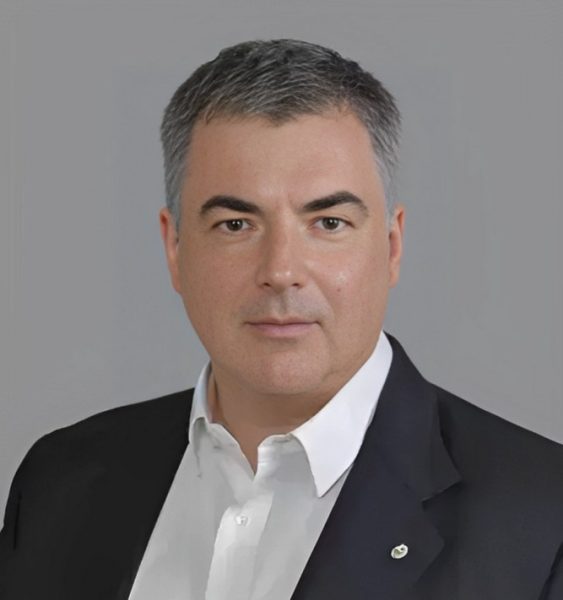
Nobel Laureate, President of Constructor University. Chairman of Constructor Group Strategic Advisory Board
Fellow of Royal Society, Professor at Centre for Advanced 2D Materials at National University of Singapore, and the Langworthy Professor in the School of Physics and Astronomy at the University of Manchester. Novoselov’s work on graphene was recognised by the Nobel Prize in Physics in 2010. Professor Novoselov and Professor Andre Geim were awarded the Nobel Prize for Physics for their groundbreaking achievements with the two-dimensional material graphene. Then 36, Professor Novoselov was the youngest Nobel Laureate in Physics since 1971 and the youngest overall since 1992.
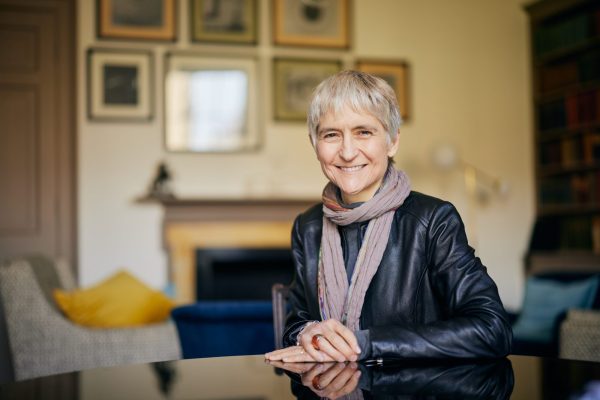
Durham University, IAS Fellow at Stephenson College; Vice-President INGSA Europe
Dr Claire Diacopoulos Craig is an academic and former civil servant with a lifelong passion for enabling public decision-making to be informed by the best possible evidence. She currently leads the creation of a European Chapter for the International Network for Governmental Scientific Advice, while personally continuing research and practice around the particular challenges of including plural, innovative and novel forms of evidence in public reasoning.
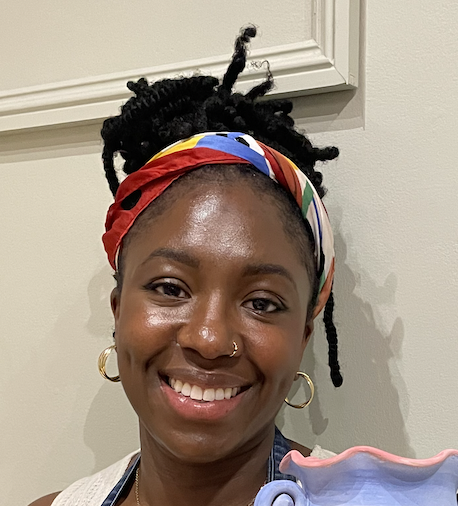
University College London, Regional Programme Officer INGSA-Europe
Rokia Ballo is the Regional Programme Officer for INGSA-Europe. In this role, she supports the ongoing development of a European Chapter of the International Network for Governmental Scientific Advice by coordinating programmes and events, advancing priority projects that respond to emerging questions in science advice and strengthening INGSA’s engagement with researchers and practitioners across the region. Rokia is also a PhD researcher in Science and Technology Studies at University College London. Her research explores how science for policy about inequalities and marginalised groups is produced in the UK and the lived experiences of expert advisors who produce this advice.
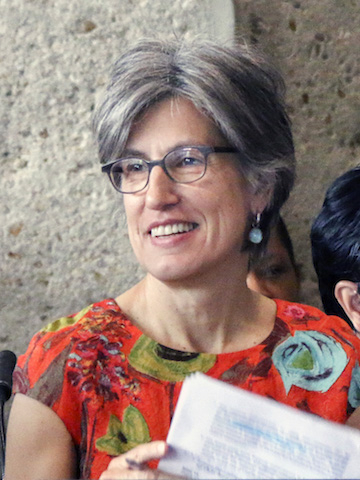
Founder and CEO of Science Governance Partnership, Member of INGSA-Europe Board
Flavia Schlegel has a distinguished international career, which includes positions as a Science Diplomat in Washington DC, the USA and Shanghai, China. At UNESCO, Dr Schlegel held the position of Assistant Director General for the Natural Sciences sector. During her tenure, 2014 – 2019, she oversaw UNESCO’s response to multilateral development agendas such as the 2030 Agenda or the Paris Agreement. In Shanghai, Dr Schlegel established swissnex China – the Swiss house for science, technology, innovation and culture – a trans-disciplinary institution supported by public and private funding.
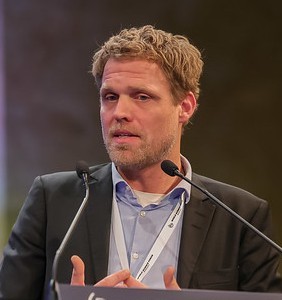
Senior Policy and Strategy Officer at ALLEA – The European Federation of Academies of Sciences and Humanities
Matthias Johannsen is Senior Policy and Strategy Officer at ALLEA, where he leads high-impact activities at the science–policy interface. Having served as ALLEA’s Director, he played a key role in establishing major initiatives such as SAPEA, which enables European academies to provide independent scientific advice to EU institutions, and the European Fund for Displaced Scientists (EFDS). Matthias studied Political Science, Modern History, and Spanish Studies in Germany and Spain and has taught at universities in Spain and Ecuador. His work focuses on strengthening the role of science in policymaking and international cooperation.
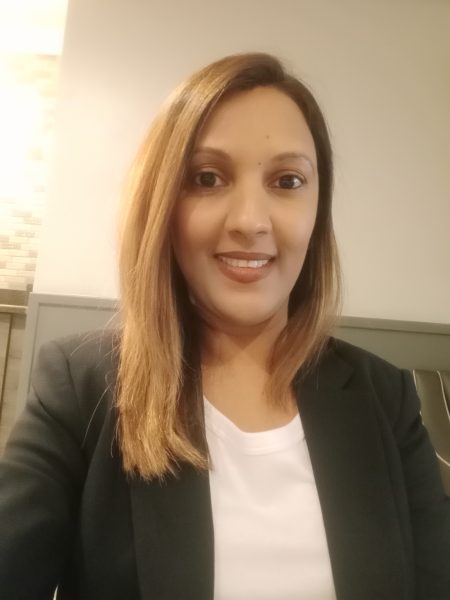
Human Sciences Research Council, former Co-Chair South African Young Academy of Science (SAYAS); GYA Executive Committee Member
Natisha Dukhi is a GYA Executive Committee member, Senior Research Specialist at the Human Sciences Research Council and PhD-qualified public health scientist with over a decade of experience across Africa and globally. Her expertise spans nutrition, child and adolescent health, non-communicable diseases, and science diplomacy. A Principal Investigator and prolific published researcher, she informs public health policy in underserved communities. She serves on the South African Young Academy of Science, the Global Young Academy, and the International Science Council’s Global Roster of Experts. Dr Dukhi is a recipient of the prestigious Gro Brundtland Award for outstanding contributions to Public Health and Sustainable Development.
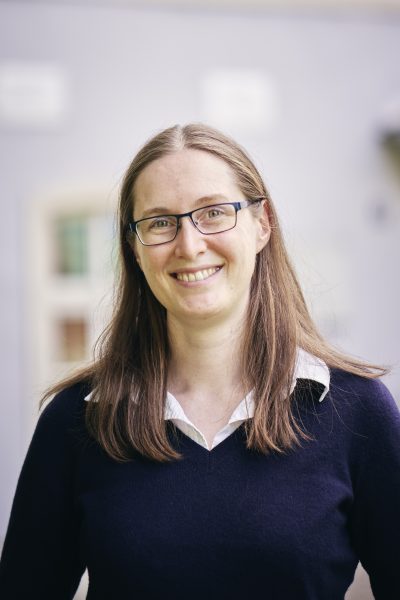
Senior Scientist ETH Zurich; GYA Executive Committee Member
Carina Geldhauser is a member of the GYA Executive Committee, a senior scientist at ETH’s Department of Mathematics and an Executive Committee member of the GYA. She conducts fundamental research on mathematical models for phenomena in physics and biology and cross-disciplinary research in machine learning. Her mathematical research earned global recognition, includes invited talks at main international conferences, and the prestigious Oberwolfach Leibniz Fellowship. The “applied” side of her work includes CO2 pollution monitoring, digital manuscriptology and reliable AI. As a trained philosopher and theologian, she works and publishes also on the pressing questions of our time in ethics of technology, i.e. AI ethics.
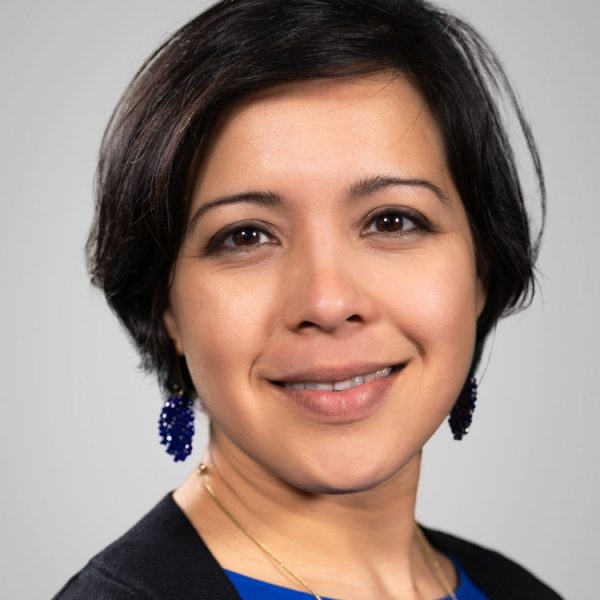
University College Cork, Ireland; University of Washington in Seattle, USA, Global Young Academy Co-Chair
Yensi Flores Bueso is Co-Chair of the GYA and a Marie Skłodowska-Curie Postdoctoral Fellow at the Nobel Prize-awarded Institute for Protein Design (University of Washington) and the Cancer Research Centre at University College Cork. Her research applies cutting-edge computational protein design to engineer de novo proteins for cancer therapies and broader biomedical applications.
In addition to her scientific work, Yensi has co-founded multiple successful ventures, including an Irish diagnostics company and the first molecular biology research lab at the National University of Honduras.
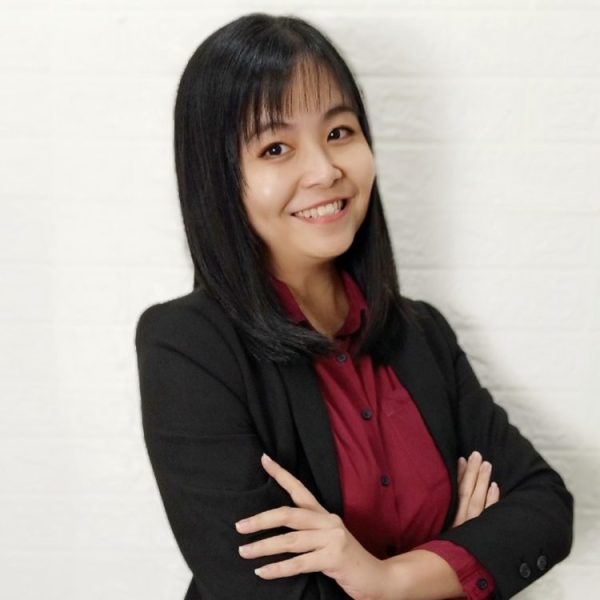
Universiti Sains Malaysia, Discipline of Pharmaceutical Technology, Global Young Academy Co-Chair
Associate Professor Dr Chan Siok Yee is Co-Chair of the GYA, a fully registered pharmacist and a member of academic staff and program chair of discipline pharmaceutical technology in the School of Pharmaceutical Science, Universiti Sains Malaysia. she is a highly popular and well-regarded group member as her social skills and ability to work effectively with others are exceptional. After her PhD she joined as visiting researcher in School of Pharmacy, University College London when she was offered the position of Director of School of Pharmacy, UCL. At UCL, Siok Yee was working in electrospinning of pharmaceutical excipients and picked up new skills in nanofabrication.
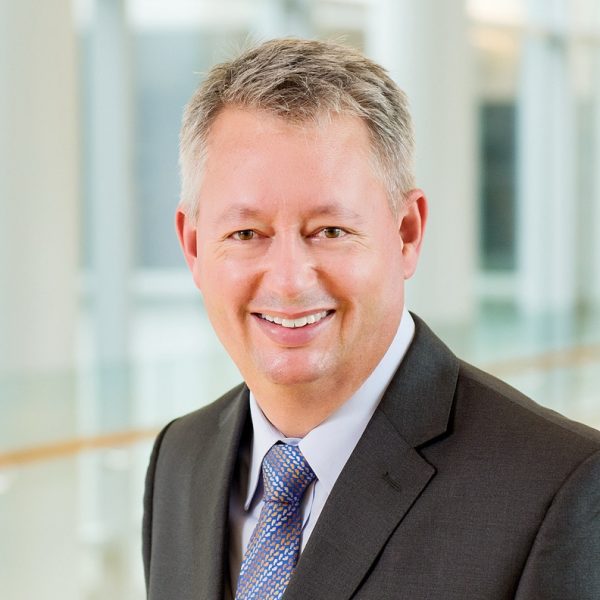
Vice-President for Research, Constructor University Bremen
Professor Rosenblum received his PhD in 1988 from Stanford University. From 1988 to 1996 he was a Member of the Technical Staff at AT&T Bell Laboratories (now AT&T Labs Research) in Murray Hill, New Jersey, and from 1996 to 2001 he was on the Faculty of the Department (now School) of Information and Computer Science at the University of California, Irvine. From 2001 to 2003 he was Chief Technology Officer and Principal Architect of PreCache, a startup company developing technologies in the area of publish/subscribe networking. From 2004 to 2011 he was Professor of Software Systems in the Department of Computer Science at University College London.
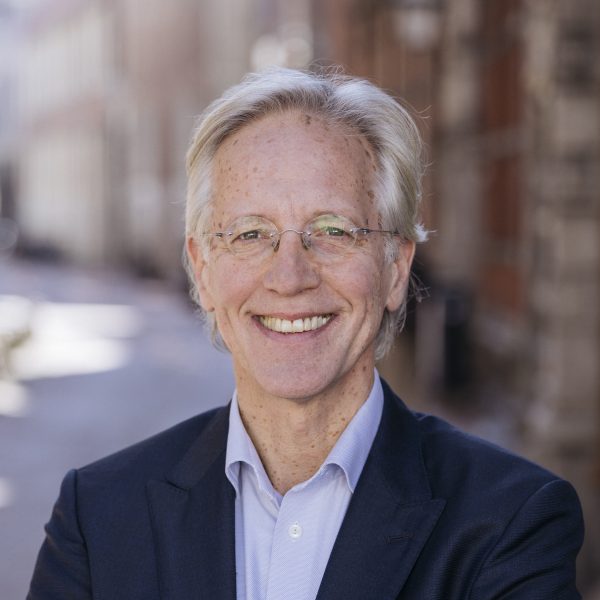
President elect of the International Science Council
Robert Dijkgraaf is President-elect of the International Science Council and a Distinguished University Professor at the University of Amsterdam. He is a mathematical physicist and academic leader who recently served as minister of Education, Culture and Science of the Netherlands and director of the Institute for Advanced Study in Princeton. He is an experienced public policy adviser having served as President of the Royal Netherlands Academy of Arts and Sciences and the InterAcademy Partnership. For his contributions to science, he has received the Spinoza Prize, the highest scientific award in the Netherlands.
Co-Chair of the InterAcademy Partnership, Past President of the Royal Netherlands Academy of Arts and Sciences.
Marileen Dogterom is professor of Bionanoscience at TU Delft and an internationally acclaimed researcher. She headed the Bionanoscience Department of the Kavli Institute of Nanoscience in Delft for a considerable period. She is one of the pioneers in the field of biomolecular and cellular physics. Her research is crucial to the development of artificial cells. Dogterom leads a national consortium “Building a Synthetic Cell” as one of the means of attempting to understand the processes of life by building an artificial cell. Her work has been recognised by an ERC Synergy Grant, one of the largest European research grants, and the Spinoza Prize in 2018.
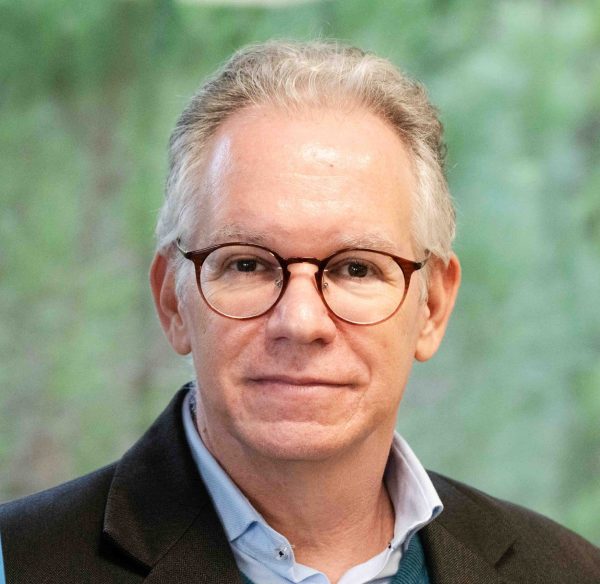
Executive Director of The World Academy of Sciences (TWAS); Interim IAP Coordinator
Marcelo Knobel serves as Executive Director of The World Academy of Sciences for the advancement of science in developing countries (TWAS), a position he assumed in December 2024. A distinguished physicist and science advocate, Dr. Knobel brings more than three decades of experience in higher education leadership, scientific research, and science communication. He previously served as Rector of the University of Campinas (Unicamp) in Brazil from 2017 to 2021, where he has been a faculty member for 30 years. With more than 300 scientific publications and numerous prestigious awards—including Brazil’s most distinguished science and technology honor—Dr. Knobel is internationally recognized for his contributions to physics research, educational innovation, and science popularization.
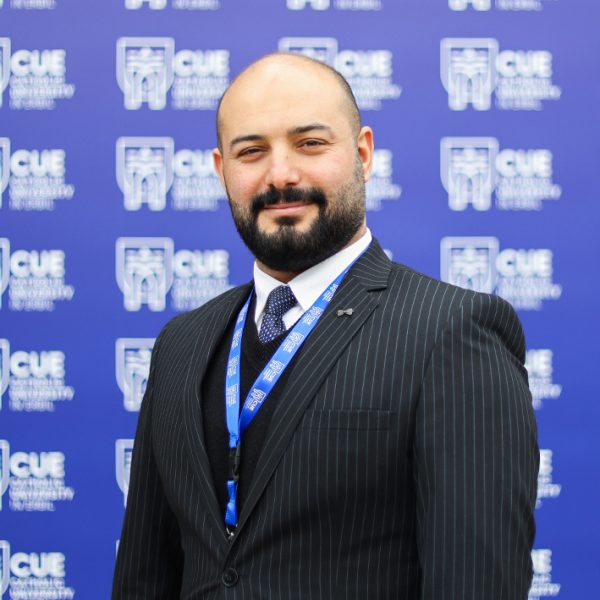
President of the Arab-German Young Academy (AGYA), Catholic University in Erbil, and GYA member.
Dr. Abdulsatar Abduljabbar Sultan is a distinguished lecturer and Head of the Business Management Department at the Catholic University in Erbil. He holds a PhD in Technology Management from Universiti Utara Malaysia and has extensive academic and leadership experience in Iraq and abroad. He is Co-President of the Arab-German Young Academy of Sciences and Humanities (AGYA) and the founder of Iraq’s first green mobile library, promoting education and sustainability. His research interests include knowledge management, innovation, and sustainable development, with a focus on interdisciplinary and international collaboration.https://globalyoungacademy.net/asultan/
Human Sciences Research Council, former Co-Chair South African Young Academy of Science (SAYAS) and GYA EC member
Dr. Natisha Dukhi is a GYA Executive Committee member, Senior Research Specialist at the Human Sciences Research Council and PhD-qualified public health scientist with over a decade of experience across Africa and globally. Her expertise spans nutrition, child and adolescent health, non-communicable diseases, and science diplomacy. A Principal Investigator and prolific published researcher, she informs public health policy in underserved communities. She serves on the South African Young Academy of Science, the Global Young Academy, and the International Science Council’s Global Roster of Experts. Dr Dukhi is a recipient of the prestigious Gro Brundtland Award for outstanding contributions to Public Health and Sustainable Development.
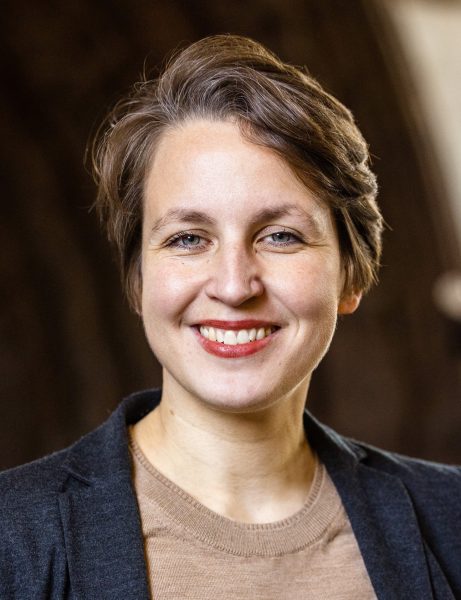
Visiting Professor and Chair for the History of Nineteenth-Century Europe, Humboldt University Berlin, member of die Junge Akademie
Kerstin Maria Pahl is a historian and postdoctoral researcher at the Max Planck Institute for Human Development as well as an associate researcher at Université du Québec à Montréal. Her research focuses on the history and culture of Western and transatlantic Europe in the long eighteenth century, with particular interests in the Enlightenment public sphere, political emotions, and the history of morality. She holds a binational PhD from Humboldt University of Berlin and King’s College London, served as a visiting professor at Humboldt University Berlin, and held visiting appointments at Harvard University and University of Oxford. She is a member of Die Junge Akademie and a member of the board of ALLEA.
Opening Panel Moderator
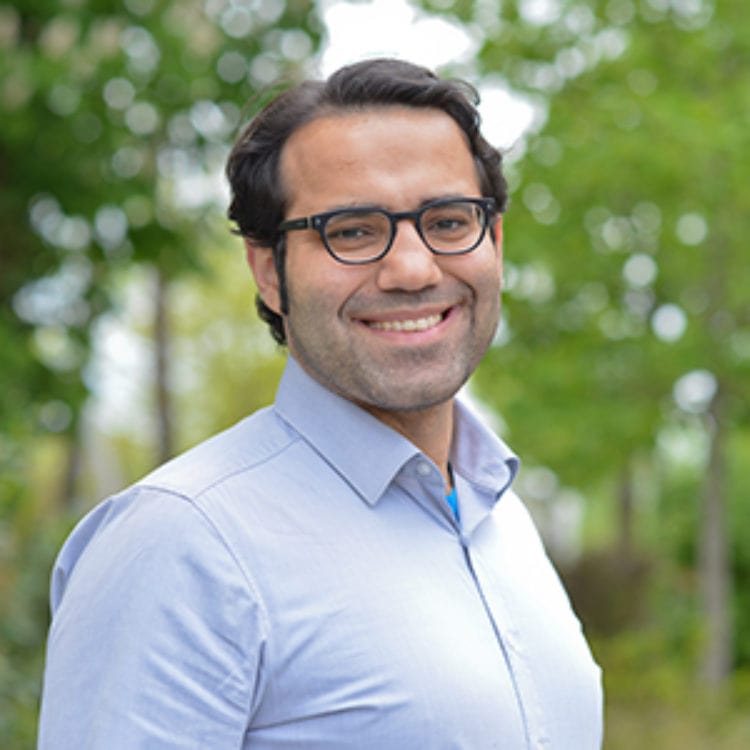
Director of the Institute of Photovoltaics, University of Stuttgart, alumni and former Co-Chair of the GYA, alumnus of die Junge Akademie, Member of Acatech
Michael Saliba is a GYA alumnus and past Co-Chair, and full professor and Director of the Institute for Photovoltaics at Stuttgart University, Germany, with a dual appointment as Head of the Helmholtz Young Investigator Group FRONTRUNNER at the Research Center Jülich, Germany.
Previously, he was a professor at TU Darmstadt, a Group Leader at the University of Fribourg, and a Marie Curie Fellow at EPFL. He completed his PhD in 2014 at Oxford University.
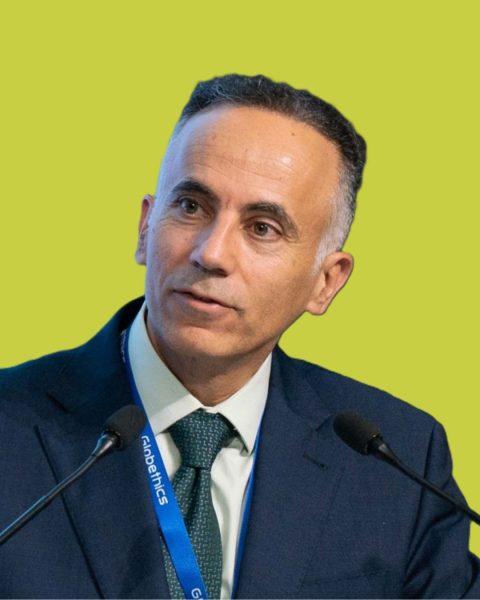
Executive Director, Globethics
Fadi Daou, Laureate of the Elevate Prize for Global thinkers and change-makers (2020), is since 2023 the Executive Director of Globethics, 2025 Champion of the World Summit on the Information Society (WSIS). Globethics is an international NGO based in Geneva, Switzerland, with regional centers across the continents, promoting ethical leadership and responsible governance for a just, inclusive, and sustainable world. Previously, between 2006 and 2020, he was founding Chairperson and CEO of Adyan Foundation (based in Lebanon, Iraq, and France), working for diversity management and peacebuilding, and winner of the Niwano Peace Prize (2018). He recently contributed with Globethics to the launch of the UNESCO Global Civil Society Organizations and Academic Network on AI Ethics and Policy.
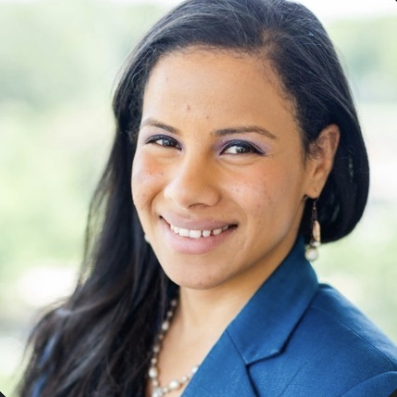
CEO and Founder, Personal Algorithms; AI Governance Leader
Soribel Feliz is the founder and CEO of Personal Algorithms, an AI governance consulting firm based in the United States. Her career spans the U.S. Senate the Department of
Homeland Security AI Corps, the U.S. State Department, and senior roles at Microsoft
and Meta. She holds CIPP/E, CIPM, CIPP/US, and Algorithmic Auditing certifications and
brings a practitioner’s perspective to AI governance, one built from the inside of
American institutions across government, technology, and regulated industries. She is the creator of the
“Algorithms Are Personal” framework, which positions AI governance as a lived
experience across Livelihood, Education, Community, and Policy.
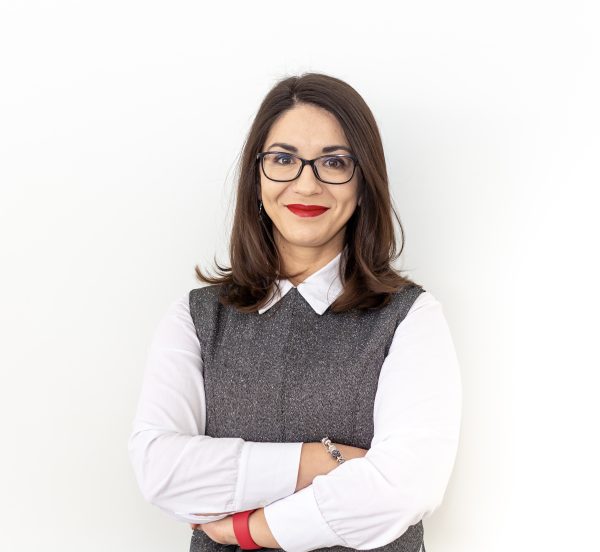
Associate Professor, Faculty of Electrical Engineering, University of Ljubljana, Slovenia, and GYA Member
Emilija Stojmenova Duh, is a GYA member, Associate Professor at the Faculty of Electrical Engineering, University of Ljubljana, and former Minister of Digital Transformation of Slovenia. Her work focuses on digital transformation, interoperability, and the societal impact of emerging technologies. She chairs the informal expert group on the Next Generation European Interoperability Framework at DG DIGIT and is a member of ESIR, advising the European Commission on research and innovation policy. She also chairs ALLEA’s Task Force on Trust in Science and serves on the Board of Globethics, promoting ethical leadership, responsible governance, and the ethics of AI.
Panel I Moderator

Founder, SciPolicy Global Strategies LLC, and GYA Member
Luz Milbeth Cumba Garcia is a GYA member, an immunologist, policy advisor, and science communicator dedicated to advancing equity, international collaboration, and public engagement in science and policy. She recently served as an Advisor for Sustainability at the U.S. Department of State, where she supported the U.S. President’s Emergency Plan for AIDS Relief (PEPFAR). As an AAAS Science & Technology Policy Fellow, she contributed to U.S.-Mexico health cooperation at the State Department and supported Arab-Israeli scientific collaboration through USAID’s Middle East Regional Cooperation (MERC) Program. She was recognized with the Union of Concerned Scientists’ Science Defender Award for her COVID-19 communication efforts in Spanish. She recently founded SciPolicy Global Strategies, LLC, offering consulting services and workshops that empower early-career scientists to engage in science communication and evidence-informed policymaking around the world.
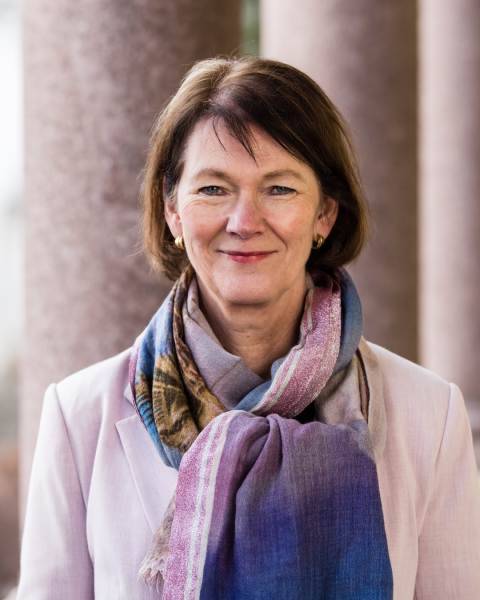
President of the European Academies Science Advisory Council
Lise Øvreås serves as President of EASAC from 2026 onwards. She is a professor in Geomicrobiology at University of Bergen, Norway and was President of the Norwegian Academy of Science and Letters in Norway (DNVA) in 2022 – 2024. She holds a PhD degree in microbiology from the University of Bergen from 1998 and became a full professor in 2007. She was part of the Norwegian Research Funded Center of Excellence (COE) in Geobiology at University of Bergen from 2007 – 2012 where she led the working group “The Deep Biosphere”. Through the CoE she took part in several fieldworks and research cruises in the Arctic Ocean as well as in the Pacific Ocean. Her research interest is microbial diversity and ecology along environmental gradients. She is especially interested in studying the impact of climate change on microbial communities, including the impact of warming of permafrost soils and glacier ecosystems. She has been involved in Arctic fieldwork and research projects for more than 25 years.
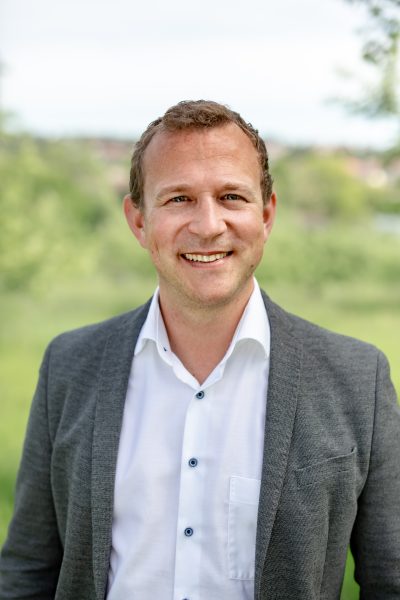
Professor for Bioinformatics at TUM Campus Straubing & University of Applied Sciences Weihenstephan-Triesdorf
Prof. Dominik Grimm works at the intersection of bioinformatics and machine learning to advance data-driven innovation in the bioeconomy. He develops cutting-edge AI, statistical, and computational methods to understand complex biological systems and to model, analyse, and optimise biochemical properties for sustainable applications. He studied bioinformatics at Weihenstephan-Triesdorf University of Applied Sciences, graduating in 2011 after stays at the University of Cambridge, the European Bioinformatics Institute, and UNSW Sydney. He earned his doctorate in 2015 at the MPI for Developmental Biology, the MPI for Intelligent Systems, and the University of Tübingen. After postdoctoral work at ETH Zurich and industry experience, he became Professor at TUM Campus Straubing in 2018.
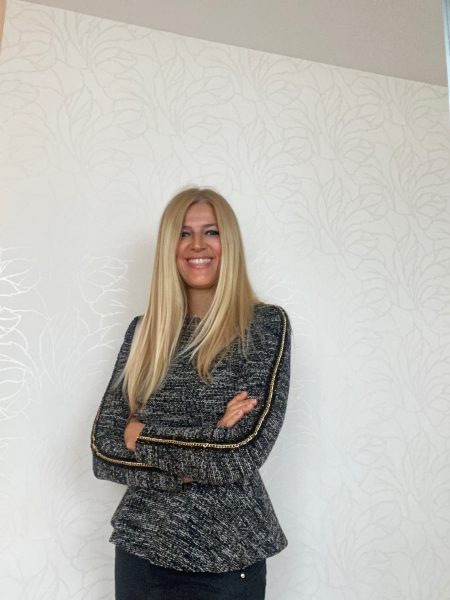
EMMC task group leader on TG Artificial Intelligence for material design
Dr. Maddalena Rostagno is a deep tech entrepreneur operating at the intersection of advanced materials science and artificial intelligence, as the natural convergence of 25 years of hands-on materials and process research in industrial companies and in 43 European-funded research projects with an AI expertise acquired at MIT. At present, CEO of DG Advanced, GAe Engineering Nord; Head of R&D in GAE Engineering. Scientific Coordinator for AI at the Italian Association of Engineering Companies, member of the Future Trends Committee in the European Federation of Engineering Companies Association. Project Monitor and evaluator since 2007 for the European Commission. Appointed expert by the European Commission for automotive materials in the EU/Japan Dialogue on Advanced Materials.
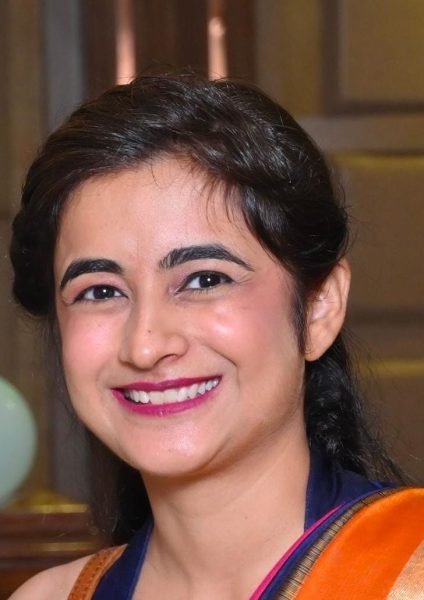
Principal Scientist, Council of Scientific & Industrial Research – Central Scientific Instruments Organisation; INYAS Member
Dr. Rishemjit Kaur is a Principal Scientist at CSIR-Central Scientific Instruments Organisation, Chandigarh and an Associate Professor at the Academy of Scientific and Innovative Research (AcSIR). She specializes in artificial intelligence and big data analytics, focusing on modelling social phenomena using agent-based models and natural language processing for social good, particularly in agriculture, nutrition, and food. She is developing large language models tailored for Indian farmers in local languages. She is a member of NASI and INYAS and has received multiple honors, including the IEI Young Engineer Award, the Japanese Government MEXT Scholarship and representation at the BRICS Young Scientist Forum.
Panel II Moderator
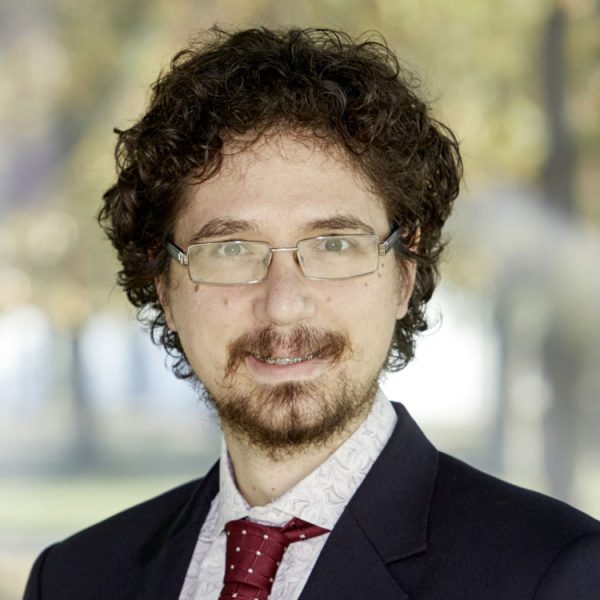
Constructor University Bremen (Germany, EU), Program Chair for the Robotics and Intelligent Systems Program, and GYA Member
Francesco Maurelli is a GYA Executive Committee member, Professor in Marine Systems and Robotics at Constructor University, in Bremen (Germany, EU), where he also serves as Program Chair for the Robotics and Intelligent Systems Program. He has obtained his PhD at the Oceans Sytems Lab, Heriot-Watt University Edinburgh, Scotland. He has been Scientific Manager at Technical University of Munich (Germany, EU) where he lead European-wide initiatives to support moving robotics technology from the lab to the market. After a research stay at Massachusetts Institute of Technology (Cambridge, MA, USA), as a Marie Curie Fellow, he has accepted a faculty position in Jacobs University Bremen, currently Constructor University.
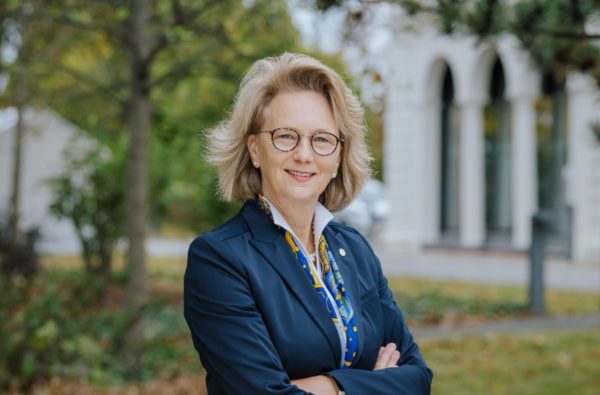
President of the German National Academy of Sciences Leopoldina
Bettina Rockenbach is a German economist, and is the first woman to be elected President of the Leopoldina. Her research focuses on the design of mechanisms to promote cooperation in social dilemma situations and on conditions for socially responsible economic action. Her partly interdisciplinary teams have been able to demonstrate the importance and interaction of trust, reciprocity, reputation and social sanctions for stable cooperation. They have contributed to a better understanding of the market conditions for moral and socially responsible action and have successfully developed and implemented mechanisms for a more sustainable use of natural resources.
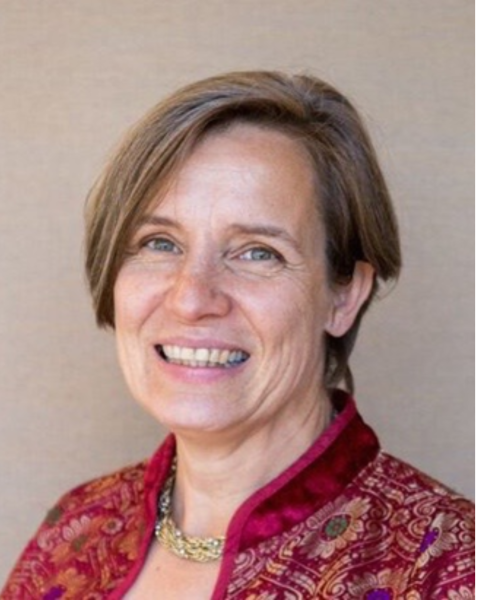
Vice President of Research Collaborations at Elsevier Research Collaborations Unit
Anita de Waard VP of Research Collaborations at Elsevier. Her work focuses on working with academic and industry partners on projects pertaining to progressing models and frameworks for scholarly communication. Her efforts include working on a semantic model for research papers, co-founding the interdisciplinary member organization Force11, and supporting models for research data management in cross-stakeholder alliances such as the Research Data Alliance and the NIST Research Data Framework, and through a series of workshops on Scholarly Document Processing. Since 2024, she is a trustee of the Cambridge Crystallographic Network. Her current work focuses on developing collaborations to improve trust, reproducibility and research integrity in scholarly communications. Anita has a degree in low-temperature physics from Leiden and worked in Moscow before joining Elsevier as a physics publisher in 1988.
Associate Executive Director, SPARC
Nick Shockey serves as SPARC’s Associate Executive Director. Nick works to further SPARC’s strength as a membership organization to advance knowledge sharing as a human right and to ensure that SPARC’s strategies are effective in a rapidly changing environment. Since joining SPARC in 2009, Nick’s role within the organization has evolved and grown. A through line in this work has been connecting the people within institutions and supporting them in identifying and pursuing where they can contribute to advance knowledge sharing.
Programme Director, Scientific Library Services and Information Systems, German Research Foundation (DFG)
Michaela Bilic-Merdes is a Programme Director in the Department of Scientific Library Services and Information Systems at the German Research Foundation (DFG). Trained as a molecular biologist, she began her career in scholarly publishing, holding editorial and leadership positions with major publishers in Germany and the United States. During this time, she contributed to the digital transformation of scholarly communication, including Open Access publishing and digital information infrastructures. Since joining the DFG in 2016, her work has focused on Open Science, research and publication infrastructures, and research integrity.
Public Dialogue Session Moderator
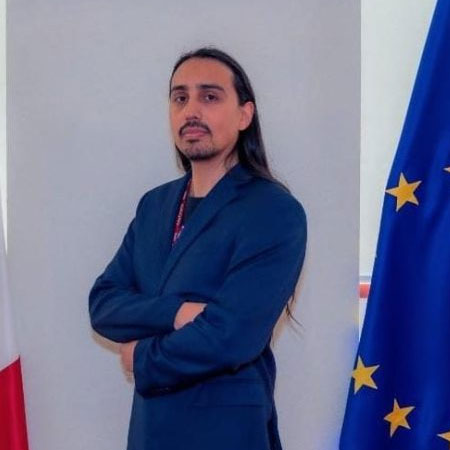
Co-President of the Mexican Young Academy, postdoctoral fellow, Cinvestav, Mexico; GYA Member
Oscar Xavier Guerrero Gutiérrez is a GYA member, Co-president of the Mexican Young Academy and a postdoctoral fellow in the Department of Chemistry at Cinvestav, Mexico, where he develops Python-based tools to integrate Machine Learning into computational chemistry research. His current work focuses on applying these methods to the study of chemical reactivity, making complex computational techniques more accessible and efficient for chemists.
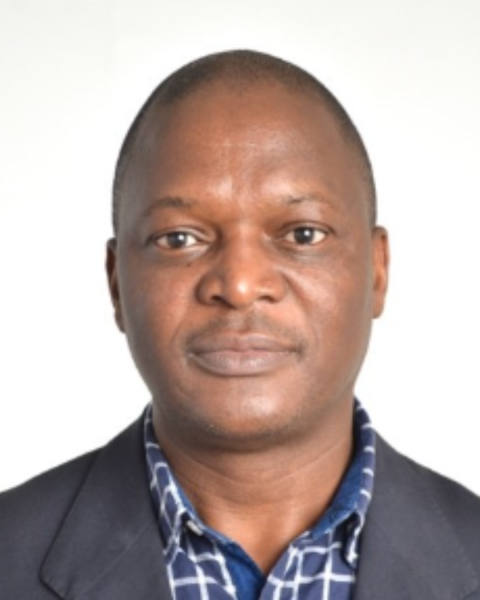
National University of Science and Technology (NUST) Zimbabwe, ICTS Department Director.
Vusumuzi Maphosa holds a PhD in Information Systems and Technology and serves as the Director of Information and Communication Technology Services at the National University of Science and Technology (NUST). With over ten years of experience developing and managing information systems for learning institutions. He brings deep expertise in his roles as Vice-Chairperson of the IEEE AI in Education SHIELD Initiative, member of the IEEE Computer Society chapter, and Head of Infrastructure and Technology at the Internet Society of Zimbabwe. His research interests include artificial intelligence, ICT4D, educational technology, and information systems strategy. He also supervises postgraduate students.
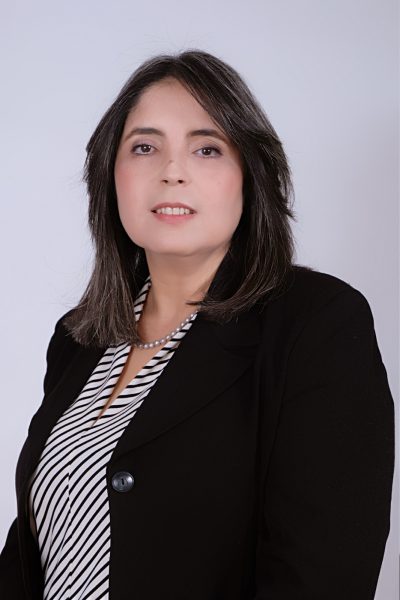
Full Professor, Mohammed V University, FSJES Agdal, President, Global Network on AI & International Society (GNAI&IS)
Fatima Roumate is a Full Professor of International Economic Law and Artificial Intelligence at the Faculty of Law, Economics, and Social Sciences – Agdal, Mohammed V University in Rabat, Morocco. She is also the Founding President of the International Institute of Scientific Research (IISR), established in Marrakech in 2010, and the Founder of the Global Network on Artificial Intelligence and International Society (GNAI&IS). She served as a Member of the UNESCO Ad Hoc Expert Group for the development of the Recommendation on the Ethics of Artificial Intelligence and as a Member of the Information Ethics Working Group under UNESCO’s Information for All Programme (IFAP) since 2020. She was also part of the Moroccan delegation in the intergovernmental negotiations on UNESCO’s Recommendation on the Ethics of Artificial Intelligence.
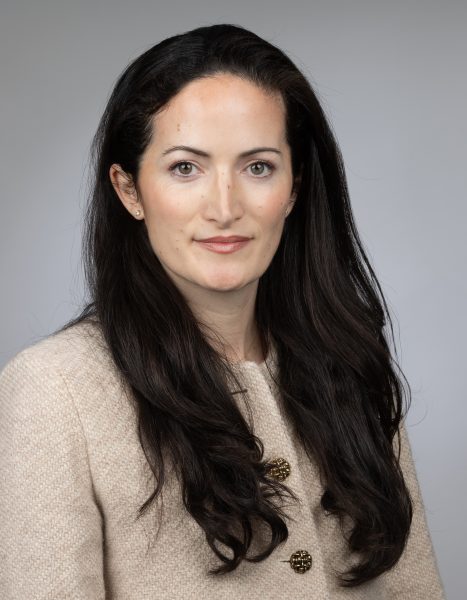
Senior Researcher, Institute of Penal Law and Criminology, University of Bern; GYA member.
Anina Schwarzenbach is a GYA member, political sociologist and criminologist at the Institute of Penal Law and Criminology, University of Bern, Switzerland. She studies how democratic societies negotiate legitimacy, security, and social justice, and how digital technologies reshape these processes. Her research combines sociological and criminological theory with computational methods, including machine learning, natural language processing, and social network analysis. Her current work focuses primarily on AI governance, especially ethical concerns, public justifications, and democratic legitimacy in relation to artificial intelligence. She is a former fellow at Harvard Kennedy School’s Belfer Center and a member of the Global Young Academy.
Panel III Moderator

Institute of Cognition and Behavior at Vienna University of Economics and Business, and GYA-Member
Rima-Maria Rahal received PhD from Leiden University for her work on cognitive decision processes in social and moral dilemmas, which she completed at the Max Planck Institute for Research on Collective Goods in Bonn. After positions in Frankfurt, Tilburg, Bonn, and Heidelberg, she is now a researcher on tenure track at the Vienna University of Economics and Business and at the Max Planck Institute for the Study of Crime, Security and Law. She works on her Habilitation project on processes of normative decisions at Heidelberg University. She is active in Open Science, an alumna of the Fellowship Program Freies Wissen and a former member of the steering group of the German Reproducibility Network.